Health Agent Ecosystem

Personal AI Health System, Just One Click Away.

Not a concept. Not a prototype. A live, autonomous pipeline that runs every week and produces real outputs. After brain surgery, managing strain, sleep, nutrition, and seizure risk by hand wasn't sustainable. So I built five agents to do it instead — and haven't looked back.

What if you could —

  • Optimize your meal plans around your training load, recovery score, and the proteins already in your fridge
  • Proactively schedule lifts and long runs around your week before it starts — no conflicts, no stacking hard days back-to-back
  • Analyze your biometric data — sleep architecture, HRV, strain, recovery — and rank which behaviors actually move the needle
  • Get a daily neurological risk forecast before the week starts, so you can adjust training before a bad decision compounds

And on top of that, what if it automatically —

  • Swapped leg day for an extra rest day when your HRV crashed overnight
  • Calculated that you need 47g more protein on long-run days vs. lift days
  • Detected that electrolytes improve your recovery score by 0.64 standard deviations — more than any other intervention
  • Emailed your grocery list the moment the meal plan was finalized

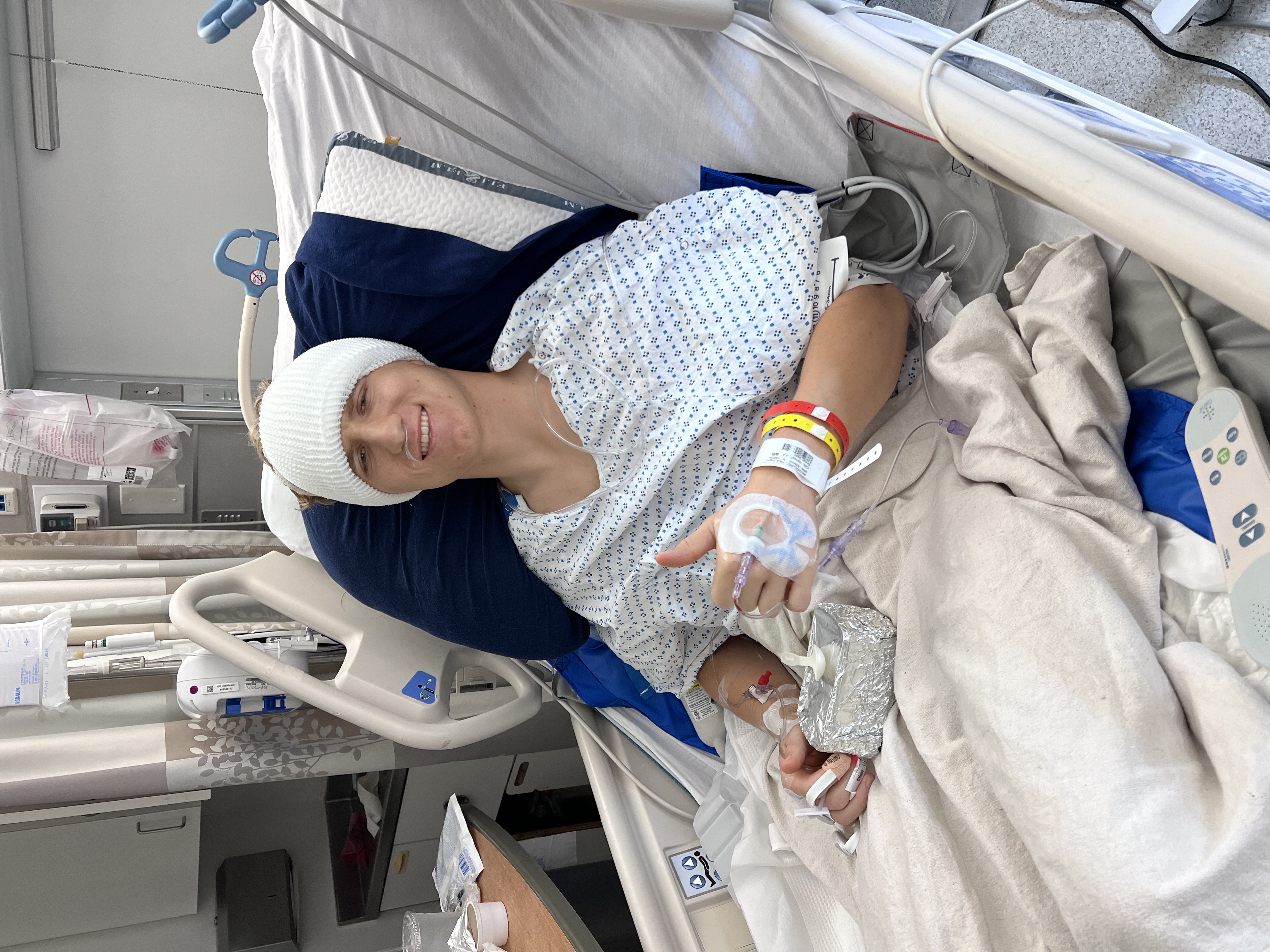
I had brain surgery two years ago after eight years of epileptic seizures. I've been seizure-free since — but the risk doesn't disappear. It's managed through a narrow set of variables: strain, sleep, nutrition, and stress. I'm an athlete constantly in training — running three marathons in six months.

No existing app could hold all of those variables at once and surface a clear picture of what my week should look like. So I built the agents myself — in Claude Code, from scratch, over the course of several months.

This isn't a side project. It runs every week. The outputs in this repo are real.
Claude Code Multi-agent systems Whoop API Google Calendar MCP Python / pandas Marathon training
Logan Matson — post-surgery, Mt. Sinai Hospital, NYC, 2024
Post-surgery · Mt. Sinai Hospital, NYC · 2024

Built to work together,
not in isolation.

Each agent handles one domain. They share state, inform each other's decisions, and are orchestrated weekly by a single command. Click any card to expand the full technical detail.

One state file.
Everything connects.

pipeline-state.json is the connective tissue. Every agent reads from it and writes back to it. The Neurologist Agent runs last — it needs all upstream context before forecasting risk.

INTERACTIVE AGENT MAP Open full ↗

Real outputs from
the last weekly run.

These aren't screenshots of a demo. The interactive Whoop report, scorecard, and meal plan below are the actual outputs from the most recent pipeline run — live and interactive.

Every Sunday.
Same sequence.

Five agents execute in dependency order. Each one hands off context to the next. By the time the week starts, everything is already planned.

pipeline-state.json

Every agent writes its output here. Every downstream agent reads from it. One file connects the entire system.

Interested in what
this can do?

This system was built to solve a personal problem. The architecture — multi-source ingestion, shared state, autonomous orchestration — applies anywhere risk needs to be monitored and acted on. I'm always open to a conversation.

Why this architecture matters beyond health.

The Neurologist Agent is a generalized risk monitor — it ingests multiple upstream signals, scores each domain independently, and surfaces a composite forecast with specific mitigations.

That pattern — multi-source ingestion → domain scoring → compounding risk detection → downstream overrides — maps directly to vendor risk, compliance monitoring, and incident response in any regulated industry.

This was built for a sample size of one. The infrastructure is ready for more.